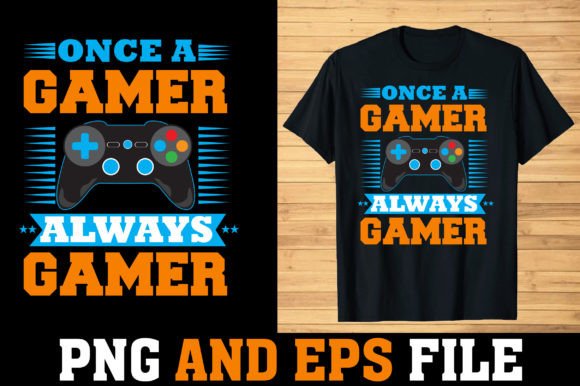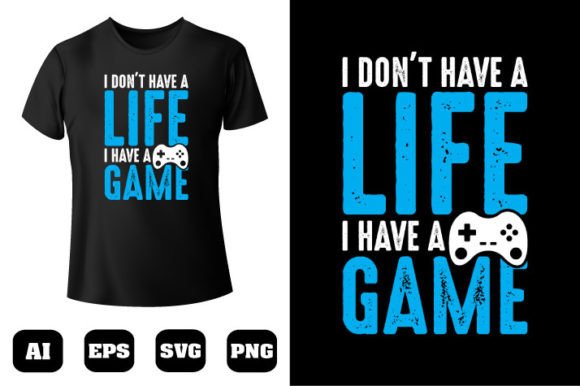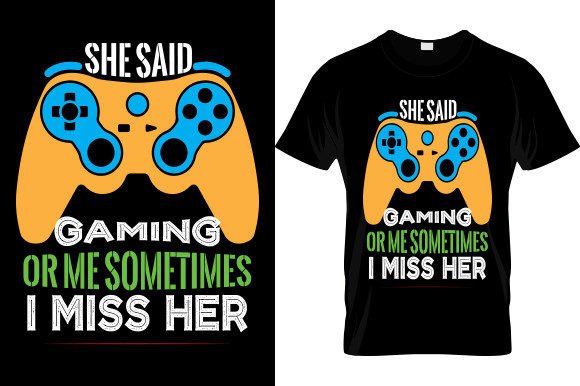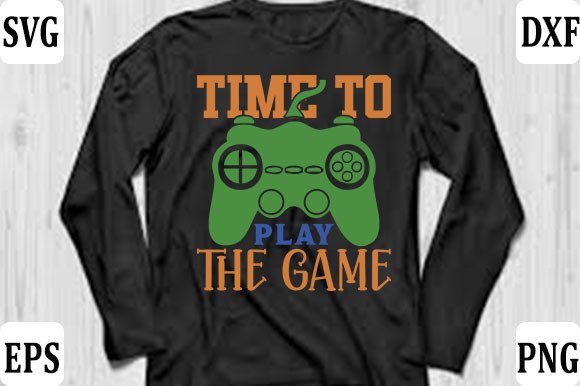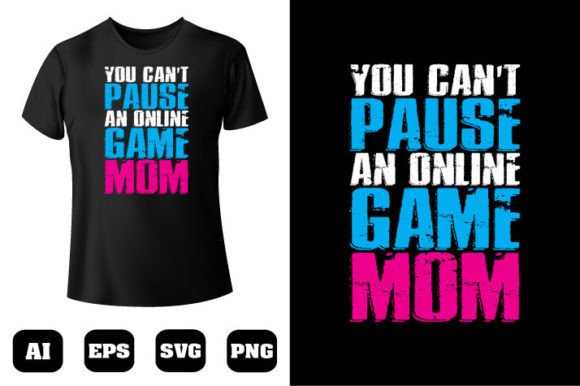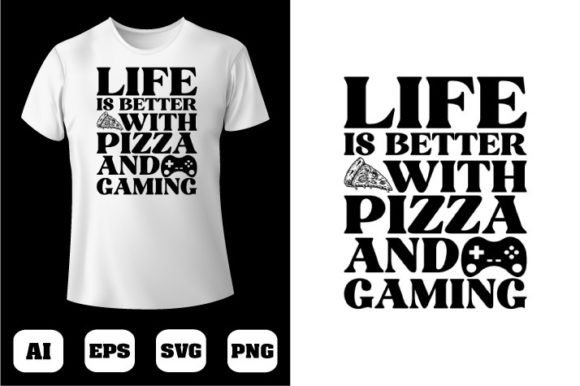
Gaming T-shirt Design 115: A Ready-to-Use Vector Asset for Custom Apparel
Finding a design that actually works the first time you send it to a printer can be surprisingly rare. Gaming T-shirt Design 115 is one of those files that eliminates guesswork. It arrives as a fully editable vector pack built in Adobe Illustrator CC, set at 300 dpi, with every shape, color, and layer already organized. People who run small print shops, manage merch for gaming communities, or just want a clean shirt for a local tournament tend to reach for something like this because it skips the part where you spend hours fixing a bad download.
What separates this particular design from a random freebie is the structural quality. With 100 vector shapes that remain fully resizable and a palette where every single color can be changed, the file gives you actual control instead of locking you into someone else's vision. The package includes AI, EPS, PNG, and SVG formats, which covers nearly every workflow you might encounter.
When a Pre-Built Gaming Design Makes Sense
Not every project justifies hiring an illustrator. If you are putting together a small batch of shirts for a weekend LAN party, testing a new product listing on a print-on-demand platform, or creating giveaway items for a Twitch stream, a ready-to-print file saves time without sacrificing visual appeal. Gaming T-shirt Design 115 fits that gap where professional quality matters but custom illustration costs would eat the entire budget.
Many users discover that ordering a custom design from scratch often takes five to ten business days and costs significantly more than a well-structured template. For someone who needs shirts ready by Friday, that timeline simply does not work. A file like this lets you open, recolor if needed, and export within the same sitting.
Small Print Shops and Quick Turnarounds
Local print shop owners frequently deal with customers who show up with smartphone screenshots or heavily compressed JPEGs, expecting flawless results on dark cotton. Having a library of reliable vector files changes that conversation entirely. With Gaming T-shirt Design 115, the shop can open the AI or EPS file, separate colors for screen printing, adjust dimensions to fit different garment sizes, and send it to the printer without pixelation or missing layers. The 300 dpi setting means the design holds up whether it goes on a standard tee or gets scaled down for a hoodie print.
Because the design uses vector shapes throughout, screen printers can also isolate specific elements for spot-color separation. That practical detail saves hours when preparing films and screens for multi-color jobs.
Streamers and Content Creators
A growing number of content creators treat merchandise not just as revenue but as a way to solidify their brand identity. When a streamer hits a subscriber milestone or announces a special event, the window to drop relevant merch can be extremely short. Gaming T-shirt Design 115 provides a polished base that a creator can quickly recolor to match their channel palette, add a username or tagline, and upload to a fulfillment service the same afternoon.
Since the file includes an SVG version, it also integrates cleanly with online design tools that some platforms provide for storefront customization. This removes a barrier for creators who are not deeply familiar with Illustrator but still want full ownership of their merch assets.
Where People Actually Use This Kind of Asset
The obvious application is cotton t-shirts, but that barely scratches the surface. The same vector file that prints cleanly on fabric can also appear on stickers, laptop skins, custom controller wraps, stream overlays, and event banners. Because the shapes remain crisp at any size, a gamer running a local tournament could pull the design from a t-shirt graphic onto a large-format backdrop without quality loss.
Educators running esports programs at high schools or community colleges have also found value in pre-built gaming designs. These programs often operate on shoestring budgets. A single file purchased and used across multiple seasons of jerseys, posters, and social media graphics delivers disproportionate value when money is tight.
Personal Projects and Gifts
Some of the most satisfying uses happen outside any commercial context. A sibling making matching shirts for a family game night, a partner creating a birthday gift for someone obsessed with a particular game genre, or a group of friends printing custom gear before a convention all benefit from starting with a design that already looks cohesive. The ability to change every color means the same base file can produce entirely different moods, from dark and intense to bright and playful.
Heat-transfer vinyl enthusiasts working at home with Cricut or Silhouette machines particularly appreciate the SVG format. It imports directly into cutting software without cleanup, and the clean vector paths translate to smooth cuts the first time.
Why Color Flexibility Matters More Than It Seems
A design that ships in a single unchangeable color scheme limits where it can go. A blue-and-purple gaming graphic might look stunning on a black shirt but clash completely with a navy hoodie or a red team jersey. The 100% color-changeable feature built into Gaming T-shirt Design 115 transforms the file from a one-shot product into a reusable resource. You can create seasonal variations, align the palette with team branding, or produce multiple mockups for a store listing without wrestling with clunky filters.
This flexibility also becomes crucial for print-on-demand sellers who list designs across multiple product colors. A listing with a single design recolored for light and dark garments feels more intentional to shoppers. The editing process itself is straightforward because the Illustrator file was structured with organized layers and named groups rather than flattened rasters.
Practical Considerations Before You Start
Even the best vector file needs a few checks before going to print or upload. Users should confirm that their printer accepts the color mode the file uses. Most commercial garment printers prefer CMYK, and a quick conversion within Illustrator before exporting can prevent dull or shifted colors on fabric. For direct-to-garment printing, keeping the resolution at 300 dpi while sizing the design appropriately for the print area avoids unnecessary scaling artifacts.
If you plan to use the PNG version, remember that it comes with a transparent background, which works well for mockups and digital previews but not for all screen-printing workflows. Knowing which format to hand off to your printer saves back-and-forth emails and production delays.
How Different Users Extract Different Value
A freelance graphic designer might use the file as a base layer, pulling individual shapes to incorporate into a larger composition for a client. They benefit from the vector format's editability and the ability to dissect the design without starting from scratch.
An esports team manager, on the other hand, likely needs a quick jersey logo that matches the team's established colors. They will spend more time recoloring and less time rearranging elements. The speed matters because jersey orders often have hard deadlines tied to tournament dates.
A print-on-demand entrepreneur running multiple storefronts might place the design across a dozen mockups, testing how it looks on different garment styles and backgrounds. For them, the multiple file formats eliminate the need to reconvert or hunt down compatible versions for each platform's upload requirements.
When You Might Choose a Template Over Custom Work
Custom illustration has its place, particularly for brands with distinct visual identities that templates cannot capture. But many gaming communities, casual teams, and small businesses operate in a space where the design needs to look professional and feel authentic without the six-week turnaround and premium pricing of bespoke artwork. Gaming T-shirt Design 115 occupies that middle ground with intention.
The quality indicators, namely 300 dpi resolution, 100 vector shapes, and full color editability, suggest that the creator built this for production environments rather than casual browsing. That matters when you are spending real money on blank garments and printing services. A poor-quality file wastes not just the download cost but the materials and labor downstream.
Bringing the Design Into Your Workflow
Opening the AI file in Adobe Illustrator CC gives you the fullest editing experience. All layers remain intact, and the swatches panel reflects any global color changes you make. If you use older Illustrator versions, the EPS format provides backward compatibility without losing vector data. For web-based mockup generators or cutting machines, the SVG and PNG files integrate without extra steps.
A practical habit worth developing involves saving a master copy of the original download before making any edits. This preserves the source file for future projects where different colors or layouts might apply. Since each color can change independently, you might create a dark tournament variant and a bright casual variant from the same master, saving both as separate working files.
Making the Most of Reusable Assets
Designs like this gain value the more you return to them. A single purchase that becomes the basis for three different product listings, a team uniform, and a set of stickers has delivered far more than the initial price suggests. The key is recognizing which situations call for speed and reliability over complete originality.
For anyone building a small brand around gaming culture, keeping a folder of editable, high-resolution vector designs reduces the friction of launching new products or refreshing stale listings. Gaming T-shirt Design 115 fits neatly into that resource library, especially given the four delivered formats that cover print, web, and cutting workflows without additional conversion.
Whether you are printing one shirt for a personal milestone or fulfilling dozens of orders through an online store, starting with a file engineered for production rather than display makes tangible differences in how the final product looks and wears. The edges stay sharp, the colors land where intended, and the garment comes out looking intentional rather than improvised.