Retro Gaming Culture and the Iconic No M T-Shirt Design Phenomenon
Understanding the Retro Gaming Aesthetic in Modern Apparel
The intersection of nostalgia and contemporary fashion has birthed a compelling movement centered around Gaming Unique Retro T-shirt Design. These garments do more than clothe the body—they broadcast identity, shared experiences, and a deep connection to the pixelated past. The retro gaming aesthetic draws heavily from 8-bit and 16-bit era visuals, chunky typography, limited color palettes, and the unmistakable glow of CRT monitors translated onto fabric. When designers capture this essence, they tap into decades of collective memory stored in arcade cabinets, cartridge slots, and late-night sessions illuminated only by screen light.
What makes a retro gaming shirt truly resonate isn't merely the presence of familiar characters or consoles. The most memorable designs often incorporate inside jokes, references to specific gameplay frustrations, or nods to the unspoken rules of gaming households. The Gaming Unique Retro T-shirt Design, No M concept exemplifies this perfectly—a visual shorthand that immediate communicates a boundary, a plea, and a humorous acknowledgment of the gamer's sacred space. These designs function as cultural artifacts, preserving the specific vernacular and shared understanding of gaming communities across generations.
The Semiotics of the No M Design Language
Visual communication in gaming apparel often operates through abbreviation, negation, and symbolic shorthand. The No M designation carries layered meaning within the community—it's simultaneously a warning, a request for privacy, and a badge of belonging. Unlike generic gaming merchandise that simply displays logos, the Gaming Unique Retro T-shirt Design, No M approach relies on insider knowledge. Those who understand the reference become part of an unspoken tribe, while those outside the circle remain curious observers.
This semiotic efficiency mirrors the visual language of classic games themselves, where limited graphical capability required designers to convey maximum meaning through minimal pixels. A mushroom meant growth, a star meant invincibility, and four directional inputs controlled entire worlds. Similarly, the No M shirt reduces complex interpersonal dynamics—the interruption of immersive gameplay, the boundaryless nature of parental authority, the asynchronous reality between online teammates—into clean, retro-styled typography and iconography.
Why Online Game Pausing Creates Enduring Cultural Tension
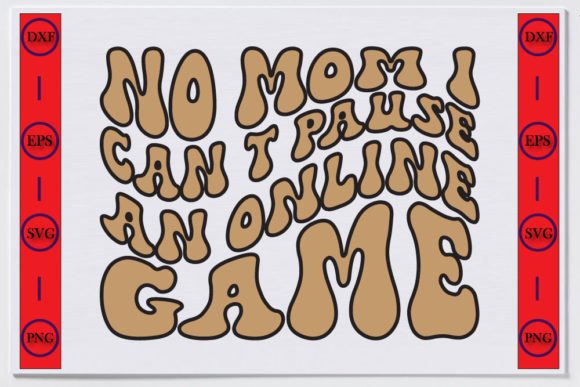
Few generational divides manifest as clearly as the fundamental disconnect between online gaming mechanics and traditional household expectations. The phrase No Mom I Can’t Pause An Online Game encapsulates a recurring domestic negotiation that millions of players experience worldwide. This isn't mere adolescent rebellion—it represents a genuine technological literacy gap that retro gaming designs humorously bridge. The T-shirt becomes both a conversation piece and a preemptive explanation, worn in spaces where gaming equipment lives.
Consider the multiplayer architecture that makes pausing technically impossible. Server-client synchronization, real-time hit detection, persistent world states, and teammate dependency all collapse the moment a single participant attempts to freeze the action. Games built around cooperative raids, competitive matches, or shared exploration demand continuous presence. The retro design aesthetic applied to this message transforms what could be perceived as defiance into something approachable and nostalgic—the warm, rounded pixels of 1980s typography delivering a thoroughly 21st-century technological truth.
Color Palettes Rooted in Hardware Limitations
Authentic retro gaming designs respect the color constraints of the platforms they reference. The 56-color master palette of the NES, the 512 simultaneous colors from the Super Nintendo's 32,768 possibilities, or the distinctive washed-out hues of early PC EGA graphics each carry specific nostalgic weight. Designers working with Gaming Unique Retro T-shirt Design concepts deliberately limit their color ranges, often working within 4 to 16 color schemes per design element. This constraint breeds creativity—cyan and magenta combinations that never existed in nature but feel immediately comfortable to anyone who navigated 16-bit platformers.
Typography That Speaks in Pixels
The font choices in retro gaming shirts carry immense psychological weight. Chunky, block-based letterforms reminiscent of in-game dialogue boxes, score counters, and title screens create instant temporal transportation. Serif fonts rendered with noticeable pixelation suggest CRPGs like early Final Fantasy titles or Ultima series entries. Sharp, angular sans-serif approaches evoke shmups and fighting games. The typography on a Gaming Unique Retro T-shirt Design, No M shirt doesn't merely spell words—it recreates the visual texture of an entire era's user interface design.
Iconography and Symbol Systems
Hearts representing health, mushroom-shaped power-ups, pixelated swords, directional cross pads, and cartridge silhouettes function as modern hieroglyphics within retro gaming apparel. These symbols require no accompanying text to communicate complex ideas about game mechanics, nostalgia, and community membership. A single mushroom icon in recognizable 8-bit styling carries more emotional weight for certain viewers than an entire paragraph of descriptive prose—a testament to the efficiency and depth of game-derived visual language.
Materialization and Production Considerations for Retro Designs
Translating digital nostalgia to physical garments involves technical considerations that impact the final product's authenticity and longevity. Screen printing remains the preferred method for retro gaming designs because the slight ink texture and potential for subtle imperfections mirror the analog quality of cartridge-based gaming. Direct-to-garment printing offers greater color accuracy and detail reproduction but can lack the tactile quality that enhances vintage aesthetics when paired with distressed or heathered fabric bases.
Fabric selection significantly influences how retro designs read on the body. Ring-spun cotton with a softened hand feel suggests worn-in comfort reminiscent of favorite childhood shirts. Tri-blend materials with their heathered appearance provide a built-in vintage patina that complements pixel art beautifully. The garment becomes part of the nostalgic presentation rather than merely serving as a canvas—the slight acid wash, the gentle fading around collar and cuffs, the comfortable drape that suggests a shirt that's been loved through countless gaming sessions.
Community-Building Through Shared Visual References
Wearing retro gaming apparel creates spontaneous connection points in public spaces. The recognition factor operates across age brackets—a 45-year-old who played the original arcade releases and a 22-year-old who discovered the same titles through emulation and retro collections can both identify the reference. This intergenerational bridge-building through pixel art and shared frustration over unpausable games creates conversations that transcend typical social barriers.
The No Mom I Can’t Pause An Online Game message serves particularly well in this context because the experience transcends specific titles or platforms. It references a universal gaming truth rather than allegiance to a particular franchise. An Xbox player, a PC gamer, and a PlayStation enthusiast all understand the impossibility of pausing during a live round. The shirt becomes a node of common ground in an otherwise fragmented gaming landscape.
File Format Considerations for Design Distribution
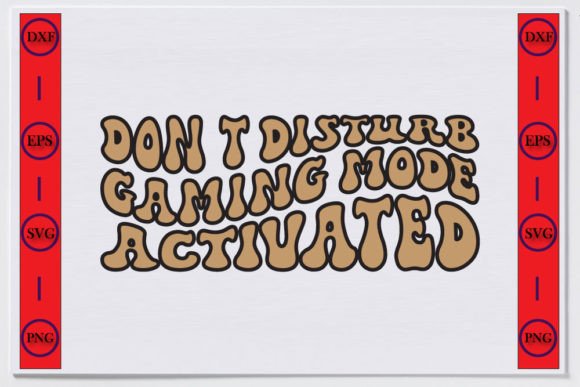
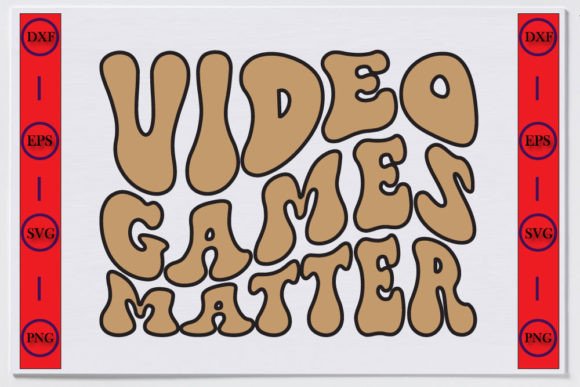
When Gaming Unique Retro T-shirt Design files circulate through creative communities, the format variety determines accessibility and end-use flexibility. SVG files maintain crisp scalability—critical when the pixel aesthetic requires precise edge definition at any size. Vector formats ensure that a design meant for a chest print can migrate seamlessly to a mug wrap, a pillow case, or large-format wall art without degradation. DXF files serve the specific needs of cutting machines, enabling vinyl transfers with clean weeding characteristics essential for multi-color retro designs.
PNG files with transparent backgrounds provide immediate usability for those working in raster-based software or using consumer-level design tools. The convenience of drag-and-drop placement into Cricut Design Space or Silhouette Studio democratizes access to quality gaming designs. EPS files bridge the gap between hobbyist and professional production environments, maintaining compatibility with commercial printing equipment while preserving the layer and color information crucial for accurate reproduction.
Practical Applications Beyond Basic T-Shirt Printing
- Tote bags and backpacks featuring pixel art create subtle gamer identification in professional environments where full graphic tees might feel inappropriate.
- Throw pillows with retro gaming motifs transform living spaces into nostalgic sanctuaries—the No M message becomes especially humorous when placed on home theater seating.
- Device skins and vinyl decals extend the aesthetic to laptops, phones, and gaming consoles, creating cohesive visual environments.
- Wall art produced through framed canvas prints or wooden mountings elevates pixel designs to intentional decor statements rather than casual merchandise.
- Custom drinkware including ceramic mugs and stainless steel tumblers brings gaming culture into kitchen spaces, sparking conversations during morning coffee or evening gatherings.
Navigating Intellectual Property and Original Design Creation
The retro gaming aesthetic walks a careful line between homage and infringement. Designs that reference general concepts, shared frustrations like unpausable games, or universal symbols that predate trademark law exist in safer territory than those reproducing specific character art or logo designs. The Gaming Unique Retro T-shirt Design, No M approach succeeds specifically because it captures the experience of gaming rather than appropriating protected intellectual property. The pixelated font, the limited color palette, and the sardonic message all evoke gaming without replicating any single company's assets.
Independent designers creating original retro-styled work should document their creative process, maintain layered working files showing the evolution of their designs, and avoid using recognizable character silhouettes or distinctively shaped elements associated with particular franchises. The goal isn't to reproduce nostalgia but to channel it through original composition—the difference between quoting a song and playing the recording.
The Psychology of Nostalgic Self-Expression Through Apparel
Wearing clothing that signals gaming identity fulfills multiple psychological functions simultaneously. It serves as an authenticity signal to fellow enthusiasts, operating as a preliminary filter that helps identify potential friends and conversation partners. It functions as a boundary marker, communicating values and time-allocation priorities to family members and coworkers. Perhaps most significantly, it provides continuity of identity—the person who loved games at twelve can visibly carry that passion into their thirties, forties, and beyond without self-consciousness.
The humorous framing of domestic gaming conflicts through designs like No Mom I Can’t Pause An Online Game performs additional emotional work. By laughing at the disconnect between gaming reality and household expectations, wearers defuse genuine frustration. The shirt transforms what could be a point of contention into shared humor. Family members who might otherwise feel dismissed by gaming's immersive demands can appreciate the gently self-deprecating acknowledgment of the situation's absurdity.
Seasonal and Event-Based Design Variations
Retro gaming shirt designs follow seasonal rhythms that creative entrepreneurs can leverage. Holiday variations that pixelate traditional festive imagery through gaming filters create products with annual demand spikes. Convention seasons bring surges of interest as attendees seek conversation-starting apparel for crowded exhibit halls. Launch events for anticipated retro-styled video game releases, remastered collections, or anniversary editions generate organic marketing opportunities for complementary shirt designs.
The No M concept adapts particularly well to variations—substituting different authority figures, different requests, or different gaming-specific scenarios while maintaining the core retro aesthetic framework. Holiday versions might read No M, I Can't Pause Santa's Raid or No Family, This Guild Needs Healing, extending the joke across calendars while preserving the resonant pixelated presentation.
Digital Communities and the Sharing of Retro Design Culture
Social platforms dedicated to crafting, Cricut projects, and DIY apparel have become unexpected archives of gaming cultural preservation. Groups sharing Gaming Unique Retro T-shirt Design files create collective resources where new community members discover older gaming references through their visual appeal rather than through first-hand experience with the original hardware. This transmission keeps gaming history alive across generational boundaries—someone born years after the SNES's discontinuation can still recognize and appreciate its visual language through repeated exposure in creative communities.
The peer review inherent in these spaces drives quality improvements. Designs that resonate receive shares, saves, and positive feedback, while those missing the mark on authentic retro feel receive constructive suggestions. Color palette adjustments, pixel-grid refinements, and typography tweaks emerge from collaborative critique, ultimately producing more accurate and emotionally resonant final products than isolated designers could achieve alone.
Long-Term Value and Collectibility Considerations
Limited-run retro gaming shirts, particularly those produced for specific events or with numbered editions, develop secondary market value within collecting communities. The intersection of gaming fandom and streetwear culture has elevated certain independent designers to cult status, with their back catalogs commanding premium prices. The Gaming Unique Retro T-shirt Design, No M concept occupies an interesting position in this ecosystem—its broad applicability across games and platforms gives it staying power that franchise-specific designs may lack as hardware generations shift.
Quality production standards contribute significantly to collectibility. Shirts printed on heavyweight cotton with reinforced seams, detailed print registration, and durable ink formulations survive repeated washing cycles while maintaining visual impact. Designs that use discharge printing techniques to embed color into fabric fibers rather than sitting atop them age more gracefully, their retro aesthetic deepening rather than degrading over time.