The Rise of Gamer Geek Culture and What It Means for Gaming T-Shirt Design Today
The intersection of personal identity and wearable art has never been more pronounced than it is right now. Walk through any convention hall, browse an online marketplace, or scroll through a creator's portfolio, and you will encounter a thriving visual language that speaks directly to those who grew up with a controller in hand. The Gamer Geek aesthetic has evolved from niche subculture into a dominant force in apparel, and the Gaming T Shirt has become one of its most recognizable canvases. But what is driving this shift, and why are designers, marketers, and independent creators paying such close attention to the typography and graphic language that defines this space?
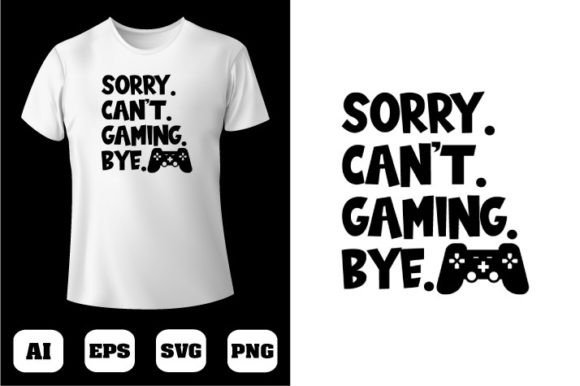
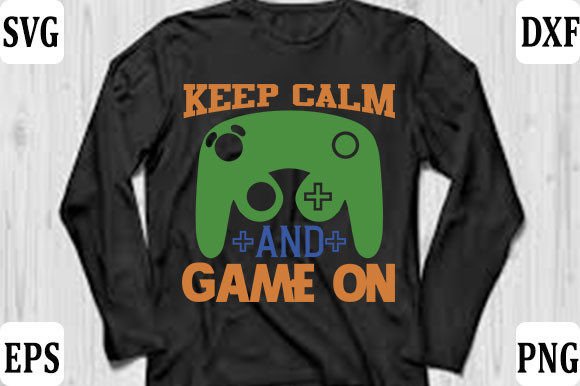
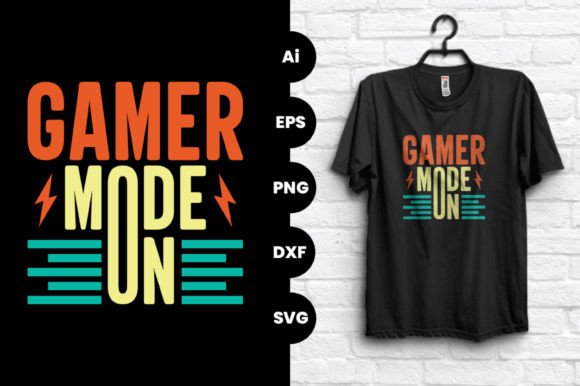
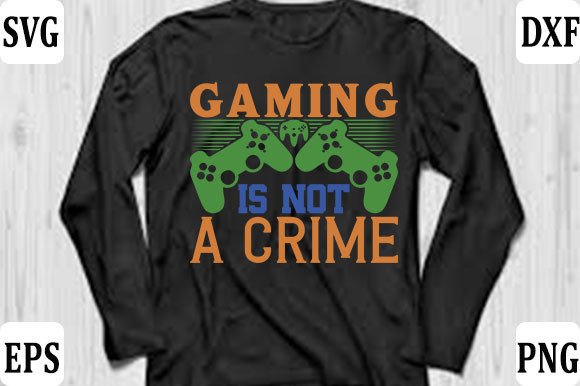
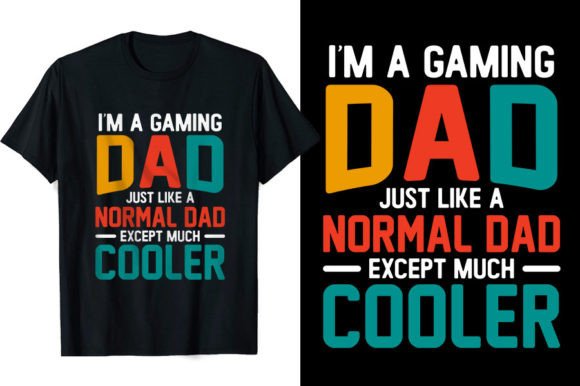
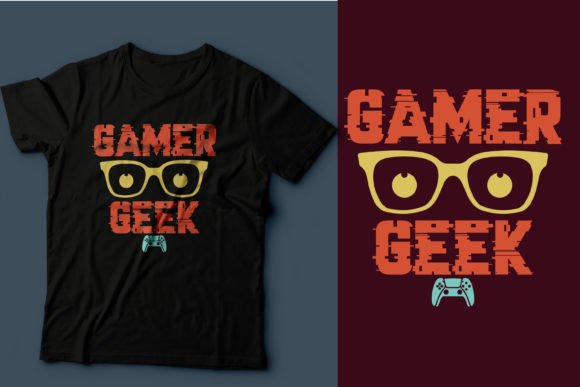
At the center of this conversation sits a specific demand for expressive, print-ready artwork — particularly the kind of meticulously crafted Gaming typography t-shirt designs that combine bold letterforms with gamer-centric symbolism. These are not simply slogan tees. They are carefully composed pieces of visual communication that speak to shared experiences, inside jokes, and the emotional resonance of gaming culture. For professionals working in apparel, merchandise, or brand identity, understanding this trend is no longer optional. It is the key to connecting with a highly engaged and visually literate audience.
What Defines a Gamer Geek Aesthetic in Modern Apparel
The term Gamer Geek has undergone a significant transformation over the past two decades. Once a label applied narrowly to a specific type of enthusiast, it now encompasses a broad and diverse community that spans casual mobile players, competitive esports fans, retro collectors, and tabletop strategists. What unifies them is not a single game or genre, but a shared fluency in the visual codes of gaming — pixel art, controller silhouettes, health bars, achievement icons, and the distinctive typography that recalls loading screens, arcade cabinets, and in-game HUD elements.
A well-designed Gaming T Shirt in this context does more than display a logo. It signals membership. It communicates taste. It can reference a decades-old franchise with subtlety that only true fans will recognize, or it can celebrate the culture broadly with energetic, typography-driven compositions that feel immediate and contemporary. The most successful designs understand that the wearer is making a statement about who they are, what they love, and how they want to be perceived. This is identity apparel in its most authentic form.
Why Gaming Typography T-Shirt Designs Are Reshaping the Merchandise Landscape
Typography has always been a foundational element of graphic design, but within the gaming apparel niche, it carries an outsized importance. The Gaming typography t-shirt category has exploded because it offers something that purely illustrative or character-based designs sometimes cannot: versatility. A strong typographic composition can work across demographics, age groups, and personal styles. It can be bold and aggressive with distressed textures and sharp angles, or it can be clean and minimalist with precise kerning and geometric balance. It can evoke the nostalgia of 8-bit pixel fonts or the sleek futurism of modern esports branding.
For creators and entrepreneurs, this versatility translates directly into commercial viability. A single well-executed typography design can be adapted across multiple products — t-shirts, hoodies, mugs, posters, tote bags, phone cases — without losing its impact. This is where the practical considerations of production readiness become critically important. The design must not only look good on screen but perform flawlessly across different printing methods, substrates, and scales.
The Professional Advantage of Vector-Based Design Assets
For anyone serious about producing or selling gaming apparel, the technical specifications of a design file are just as important as its creative concept. This is a point that experienced print-on-demand sellers, screen printers, and merchandise managers understand intimately. Raster images have their place, but when it comes to professional production, vector files are the gold standard. That is why access to a comprehensive collection of 100 vector file designs in CMYK color mode represents a significant practical asset for any creative workflow.
The availability of an EPS 10 version means that these designs are not only scalable to any size without quality loss but are also structured in a way that makes them genuinely editable. Designers can open the files in industry-standard software, isolate individual elements, adjust stroke weights, modify fills, and adapt the artwork to fit specific brand guidelines or client requirements. The Easy to modify and change color attribute is not a minor convenience — it is a fundamental requirement for anyone who needs to match a design to a specific garment color, incorporate it into a larger composition, or create variations for different product lines. When a file is properly constructed with organized layers and clean paths, the time saved in production workflows is substantial.
CMYK Color Mode and Why It Matters for Print Production
One specification that deserves particular attention is CMYK color mode. For those who work primarily in digital spaces, RGB might be the default, but the world of physical merchandise operates on a different color model. CMYK — cyan, magenta, yellow, and key — is the standard for commercial printing, and designs built natively in this color space translate more predictably to fabric, paper, and other substrates. The colors you see on screen are more likely to match what comes off the press, reducing costly reprints and frustrating discrepancies.
When a design collection is delivered with both EPS 10 vector files and PNG formats, it bridges the gap between professional production and quick application. The EPS files serve as the master source for customization and high-end printing, while the PNG versions — typically with transparent backgrounds — are immediately usable for mockups, digital previews, online store listings, and print-on-demand platforms that accept raster uploads. This dual-format approach acknowledges the reality of modern creative work, where speed and flexibility are just as valuable as precision.
How the Gaming T Shirt Market Reflects Broader Consumer Trends
The sustained popularity of the Gaming T Shirt is not happening in isolation. It mirrors several larger shifts in consumer behavior and market dynamics. First, there is the continued rise of passionate niche communities that coalesce around specific interests and purchase products that reflect those identities. Gaming is one of the largest and most commercially active of these communities, with spending on gaming-related merchandise reaching into the billions annually. A gamer geek is not just a player; they are a collector, a superfan, and increasingly, a discerning consumer who values quality design over generic logo placement.
Second, the creator economy has lowered the barriers to entry for independent designers and small apparel brands. Platforms like Etsy, Redbubble, and Shopify have created direct pathways from design concept to customer closet. In this landscape, the quality and distinctiveness of the artwork become the primary differentiator. A designer with access to a robust library of Gaming typography t-shirt assets — vector-based, editable, and print-optimized — can iterate faster, test more concepts, and build a cohesive product line that stands out in a crowded marketplace.
Third, there is a growing appreciation for craftsmanship in merchandise design. Consumers are becoming more visually sophisticated, and they can tell the difference between a hastily assembled design and one that has been thoughtfully composed with attention to typography, spacing, hierarchy, and color harmony. The gamer geek audience, in particular, is known for its attention to detail. These are people who spend hours customizing characters, optimizing loadouts, and analyzing game mechanics. They bring that same level of scrutiny to the products they choose to wear.
Practical Applications Across Product Categories
One of the most compelling aspects of a well-constructed vector design collection is its adaptability. The same artwork that works brilliantly on a Gaming T Shirt can be repurposed across an entire merchandise ecosystem. Consider the range of applications that become possible with a single design:
- Apparel: T-shirts, hoodies, crewnecks, tank tops, and long-sleeve shirts form the core of most gaming merchandise lines. Vector designs ensure that prints remain crisp whether they are small chest logos or full-back graphics.
- Accessories: Mugs, water bottles, tote bags, and laptop sleeves offer additional revenue streams. The same typography that resonates on fabric can translate effectively to ceramic, metal, and canvas.
- Print Media: Posters, art prints, stickers, and cards allow designers to reach customers who prefer wall art or collectible items over wearable goods.
- Digital Branding: Stream overlays, social media graphics, and website headers can incorporate elements from these designs, creating a consistent visual identity for gaming brands, esports teams, or content creators.
This versatility means that a single investment in quality design assets can generate returns across multiple product categories and sales channels. For entrepreneurs building a brand around gamer geek culture, the ability to maintain visual consistency while diversifying product offerings is a significant competitive advantage.
Typography as a Storytelling Tool in Gaming Culture
Typography in gaming is not merely decorative. It carries meaning. The font choices in a game's user interface influence how players perceive the world they are inhabiting. A medieval fantasy RPG uses serif typefaces that evoke parchment and ancient tomes. A cyberpunk shooter employs sleek, geometric sans-serifs that feel cold and efficient. A retro-inspired indie title might lean into pixelated or chunky display fonts that reference the arcade era. When these typographic conventions migrate onto a Gaming typography t-shirt, they carry that associative baggage with them. The wearer is not just wearing words; they are wearing a reference to a genre, an era, a mood.
Designers who work in this space understand the power of these associations. They know that a phrase rendered in a distressed, slab-serif typeface with a controller icon integrated into the letterforms tells a different story than the same phrase set in a clean, minimalist sans-serif. The best gaming typography designs are those that harmonize message, form, and cultural context into a single cohesive statement. This is design that rewards close attention and that resonates deeply with an audience fluent in the visual language being used.
Navigating the Shift Toward Quality and Originality
As the gaming apparel market matures, the standards for what constitutes a compelling design have risen accordingly. The era of simply slapping a pixelated heart and the word "GAMER" on a black t-shirt and calling it a day is behind us. Today's Gamer Geek consumers are looking for originality, conceptual depth, and production quality. They want designs that feel intentional and crafted, not generic and algorithmic.
This shift places a premium on design assets that are both professionally constructed and creatively inspiring. A collection that includes 100 vector file options provides a foundation for creative exploration. It allows designers to mix elements, recolor compositions, combine typography treatments with other graphic components, and develop variations that feel fresh and specific to their audience. The inclusion of fully editable EPS 10 files is what makes this level of creative freedom possible. Without editability, a design is a fixed asset. With it, the same file becomes a starting point for endless iterations and customizations.
The presence of PNG files alongside the vector source material also streamlines the workflow for creators who operate across multiple platforms. A designer can finalize a custom variation in the EPS file, export it as a high-resolution PNG, and immediately upload it to a print-on-demand service, incorporate it into a product mockup, or send it to a client for approval. This efficiency matters when scaling a merchandise business or managing multiple design projects simultaneously.
Connecting Creative Passion with Commercial Opportunity
What makes the current moment particularly interesting for designers and entrepreneurs in the gaming apparel space is the convergence of creative passion and commercial opportunity. The people creating Gaming T Shirt designs are very often part of the culture themselves. They are gamers, collectors, and enthusiasts who understand the references and care about getting the details right. This authenticity comes through in the final product and is part of what resonates with customers who can sense when a design was made by someone who genuinely understands the culture.
At the same time, the infrastructure supporting independent merchandise creation has never been more robust. Print-on-demand technology, e-commerce platforms, social media marketing tools, and global shipping networks have combined to create an environment where a talented designer with a strong portfolio can build a sustainable business around their creative output. The key is having access to design assets that are technically sound, creatively versatile, and optimized for real-world production — the very qualities that define a professional-grade vector collection delivered in CMYK with EPS 10 source files and PNG deliverables.
The Enduring Appeal of the Gamer Geek Identity
Gaming has long since ceased to be a niche hobby. It is one of the largest entertainment industries on the planet, spanning demographics, geographies, and platforms. The Gamer Geek identity has expanded and diversified, but at its core, it remains rooted in a love for interactive experiences, compelling narratives, and the communities that form around shared virtual worlds. Wearing a Gaming typography t-shirt is one of the simplest and most immediate ways to signal that identity — to find your people in a crowded room, to start a conversation with a stranger who recognizes the reference, or simply to carry a piece of something you love with you throughout your day.
For the professionals who create these garments — the graphic designers, the brand owners, the print shop operators, the independent sellers — the opportunity is to serve this audience with designs that honor their passion. That means investing in quality artwork. It means understanding the technical requirements of print production. It means building a workflow around editable, scalable, CMYK-optimized vector files that can grow and adapt as a product line expands. The tools are available. The audience is waiting. The only remaining question is what story your next design will tell.